Introduction
Sugarcane is one of the most important cash crops grown in tropical and subtropical regions of the world. It is a tall, perennial grass mainly cultivated for the production of sugar. Besides sugar, sugarcane is also used to make jaggery, ethanol, molasses, paper, and electricity. Countries like India, Brazil, China, and Thailand are among the leading producers of sugarcane. The cultivation of sugarcane requires careful planning and proper farming practices. From preparing the land to harvesting the crop, every step plays an important role in producing a healthy and high-quality yield.
Climate and Soil Requirements
Sugarcane grows best in warm and humid climates. It requires temperatures between 20°C and 35°C for proper growth. Bright sunlight and moderate rainfall are also important for a good harvest. Areas with an annual rainfall of 100 to 150 cm are considered suitable for sugarcane cultivation.
The crop grows well in fertile, well-drained loamy or alluvial soil. The soil should be rich in organic matter and should have a pH value between 6.0 and 7.5. Proper drainage is essential because waterlogging can damage the roots.
Land Preparation
The first step in sugarcane cultivation is preparing the land. Farmers plough the field deeply two or three times to loosen the soil. Stones, weeds, and crop residues are removed from the field. After ploughing, the soil is levelled to ensure even irrigation. Organic manure or compost is mixed into the soil to improve its fertility.
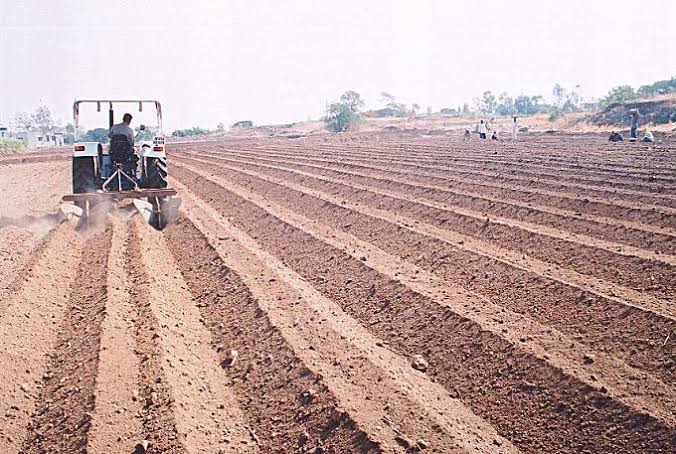
Proper land preparation helps the roots grow deeply and allows the plants to absorb nutrients and water efficiently.
Selection of Seed Material
Sugarcane is not usually grown from seeds. Instead, it is propagated using healthy pieces of mature sugarcane stems called setts or seed canes. Each sett contains two or three healthy buds.
Farmers carefully select disease-free and high-yielding varieties of sugarcane. Healthy planting material ensures better germination, stronger plants, and higher production.
Planting
Planting is usually done during the spring or autumn season, depending on the region. Furrows are made in the prepared field at regular intervals. The sugarcane setts are placed horizontally in the furrows with the buds facing sideways or upwards.
The setts are then covered with a thin layer of soil and watered immediately. Proper spacing between rows allows enough sunlight, air circulation, and room for plant growth.
Irrigation
Sugarcane requires a large amount of water throughout its growing period. The first irrigation is given soon after planting. Later, irrigation is provided regularly depending on rainfall and soil moisture.
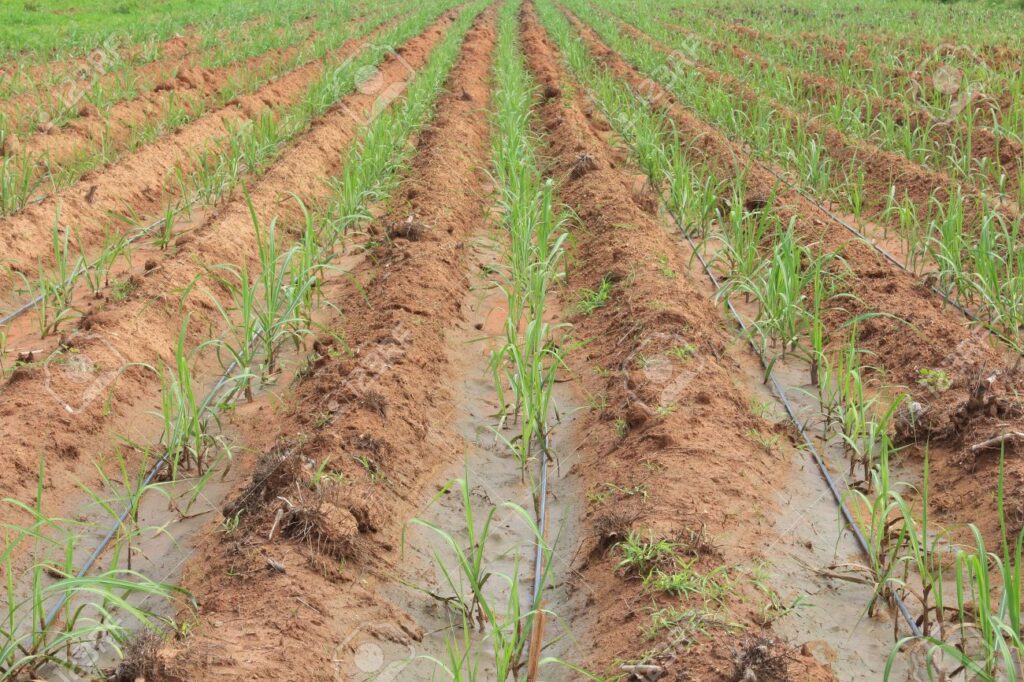
During dry seasons, farmers irrigate the fields every 10 to 15 days. Modern methods such as drip irrigation help save water while supplying moisture directly to the roots.
Application of Fertilizers
To produce healthy plants, sugarcane needs essential nutrients like nitrogen, phosphorus, and potassium. Farmers apply organic manure before planting and chemical fertilizers during different stages of crop growth.
Balanced fertilization increases plant height, strengthens the roots, and improves the quality and quantity of sugar produced.
Weed Control
Weeds compete with sugarcane plants for nutrients, sunlight, and water. Therefore, regular weed control is necessary.
Farmers remove weeds manually or use suitable herbicides when needed. Keeping the field free from weeds helps the crop grow faster and healthier.
Pest and Disease Management
Sugarcane can be attacked by insects such as stem borers, termites, and white grubs. Diseases like red rot, smut, and wilt can also reduce production.
Farmers regularly inspect their fields for signs of pests and diseases. They use healthy planting material, proper crop rotation, biological control methods, and approved pesticides when necessary. Good field sanitation also helps prevent the spread of diseases.
Earthing Up
Earthing up is an important farming practice carried out a few months after planting. Soil is pulled around the base of the plants to support the growing canes.
This process helps keep the plants upright, improves root development, and conserves soil moisture. It also reduces the chances of plants falling during strong winds.
Crop Growth
Sugarcane is a long-duration crop. It usually takes 10 to 18 months to mature, depending on the variety and climate. During this period, the plants continue to grow taller, produce more leaves, and store sugar in their thick stems.
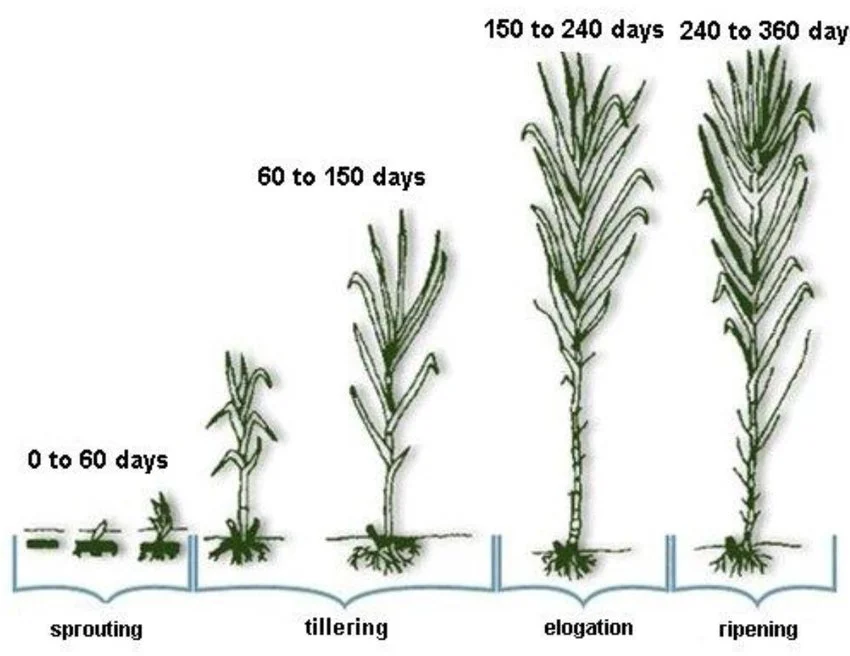
Farmers regularly monitor the crop, provide irrigation and fertilizers, and protect it from pests to ensure healthy growth.
Harvesting
Sugarcane is harvested when it reaches full maturity and contains the maximum amount of sugar. Mature canes have dry lower leaves, hard stems, and high sugar content.
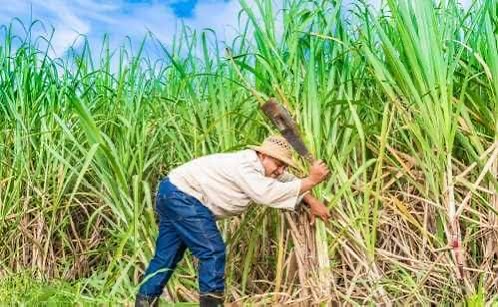
Harvesting is usually done manually using sharp knives or mechanically with harvesters. The leaves are removed, and the stalks are cut close to the ground. After harvesting, the sugarcane is quickly transported to sugar mills because the sugar content decreases if harvesting is delayed.
Processing After Harvest
After reaching the sugar mill, the sugarcane is cleaned and crushed to extract the juice. The juice is purified, boiled, and processed to produce sugar crystals. The remaining products, such as molasses and bagasse, are used to manufacture ethanol, paper, electricity, and animal feed.
Importance of Sugarcane Cultivation
Sugarcane cultivation provides income to millions of farmers and employment to workers in farming, transportation, and sugar industries. It contributes significantly to the economy by supporting sugar production and related industries. It also provides raw materials for making ethanol, jaggery, paper, and renewable energy.
Conclusion
Sugarcane cultivation is a carefully planned process that includes land preparation, selection of healthy planting material, planting, irrigation, fertilization, weed control, pest management, harvesting, and processing. Every stage is important for obtaining a healthy crop and a high yield. With proper farming techniques and modern agricultural practices, sugarcane cultivation not only benefits farmers but also supports industries, creates employment, and contributes to the country’s economic growth. Therefore, sugarcane remains one of the most valuable and widely cultivated crops in the world.
nicss