Introduction
Sugarcane is one of the world’s most important commercial crops, cultivated for sugar, jaggery, ethanol, and other by-products. To achieve high yields and protect the crop from weeds, insects, and diseases, farmers often use fertilizers, herbicides, insecticides, fungicides, and plant growth regulators. While these chemicals can improve productivity, excessive or improper use may harm the environment, reduce soil fertility, and pose risks to human health. Modern agriculture therefore emphasizes the safe and judicious use of these inputs through Integrated Pest Management (IPM).
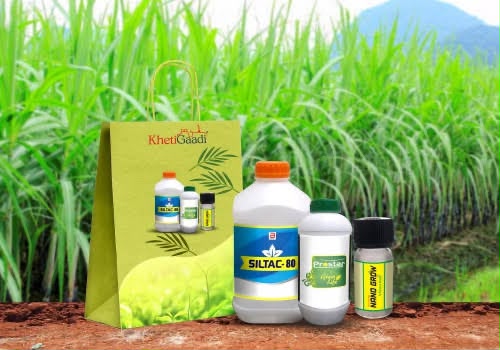
Sugarcane requires a large amount of nutrients throughout its growing season. The main fertilizers include:
Fertilizers Used in Sugarcane
- Nitrogen (N): Usually supplied through urea, ammonium sulfate, or ammonium nitrate to promote vigorous vegetative growth.
- Phosphorus (P): Applied as single super phosphate (SSP) or diammonium phosphate (DAP) to encourage root development.
- Potassium (K): Applied as muriate of potash (MOP) to improve cane quality, sugar content, and disease resistance.
- Micronutrients: Zinc, iron, boron, and magnesium may be added where soils are deficient.
Balanced fertilizer application improves yield while preventing nutrient imbalances. IIndian Agricultural Research Journals
Herbicides (Weed Control)
Weeds compete with sugarcane for nutrients, water, and sunlight. Common herbicides include:
- Atrazine – controls annual grasses and broadleaf weeds.
- 2,4-D – controls broadleaf weeds after crop emergence.
- Metribuzin – used in several sugarcane-growing regions for weed management.
- Glyphosate – mainly used before planting or for spot treatment of weeds.
- Diuron – provides residual weed control in some production systems.
The choice of herbicide depends on weed species, crop stage, and local regulations. CCane Advisory Services+2
Insecticides
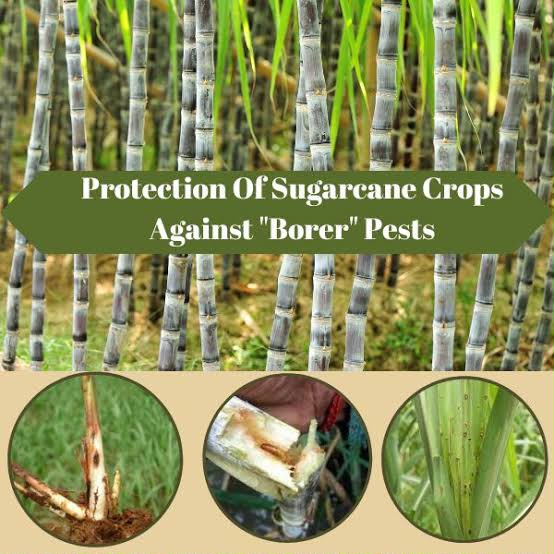
Sugarcane is attacked by pests such as borers, termites, white grubs, and aphids. Common insecticides include:
- Chlorantraniliprole – effective against sugarcane borers.
- Fipronil – used in some countries against termites and certain soil pests.
- Imidacloprid – controls sucking insects in approved uses.
- Carbaryl – historically used in some regions, though regulations vary.
Farmers should always follow approved recommendations because permitted products differ by country. CCane Advisory Services+1
Fungicides
Fungal diseases such as smut, sett rot, and red rot reduce yield and quality. Fungicides commonly used include:
- Carbendazim – frequently used for seed sett treatment.
- Mancozeb – used against several fungal diseases where recommended.
- Copper-based fungicides – used in disease management programs.
Using disease-resistant varieties and healthy planting material complements fungicide use. CCane Advisory Services+1
Plant Growth Regulators
Some sugarcane-growing areas use growth regulators to improve ripening or manage crop growth. Their use depends on local production practices and regulations.
Environmental and Health Concerns
Excessive or improper chemical use can lead to:
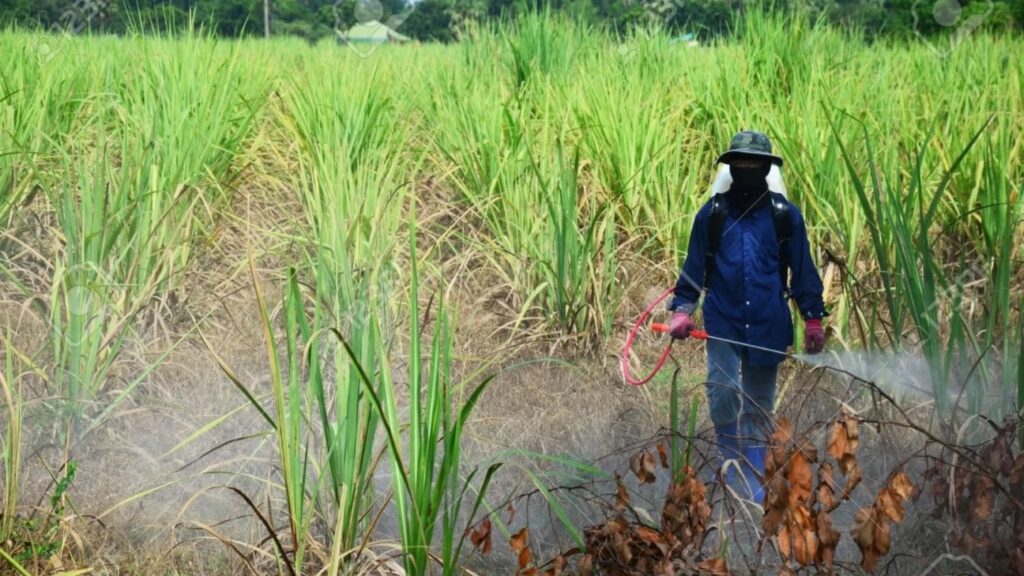
- Soil and water contamination
- Harm to beneficial insects and pollinators
- Development of pesticide-resistant weeds and pests
- Health risks for farmers due to unsafe handling
Sustainable Alternatives
To reduce dependence on chemicals, farmers are encouraged to adopt:
- Integrated Pest Management (IPM)
- Biological control agents
- Crop rotation and field sanitation
- Organic manures and compost
- Precision fertilizer application
- Disease-resistant sugarcane varieties
These practices can maintain productivity while reducing environmental risks. IIndian Agricultural Research Journals+1
Conclusion
Chemicals and pesticides play an important role in protecting sugarcane and improving yields when used correctly. Fertilizers supply essential nutrients, herbicides control weeds, insecticides manage pests, and fungicides prevent diseases. However, their use should always follow recommended doses, safety guidelines, and local agricultural regulations. Combining chemical control with sustainable farming practices helps maintain productivity, protect the environment, and support long-term agricultural sustainability.
Best for our study materials.